Who is in the Massachusetts Governor race for 2026?
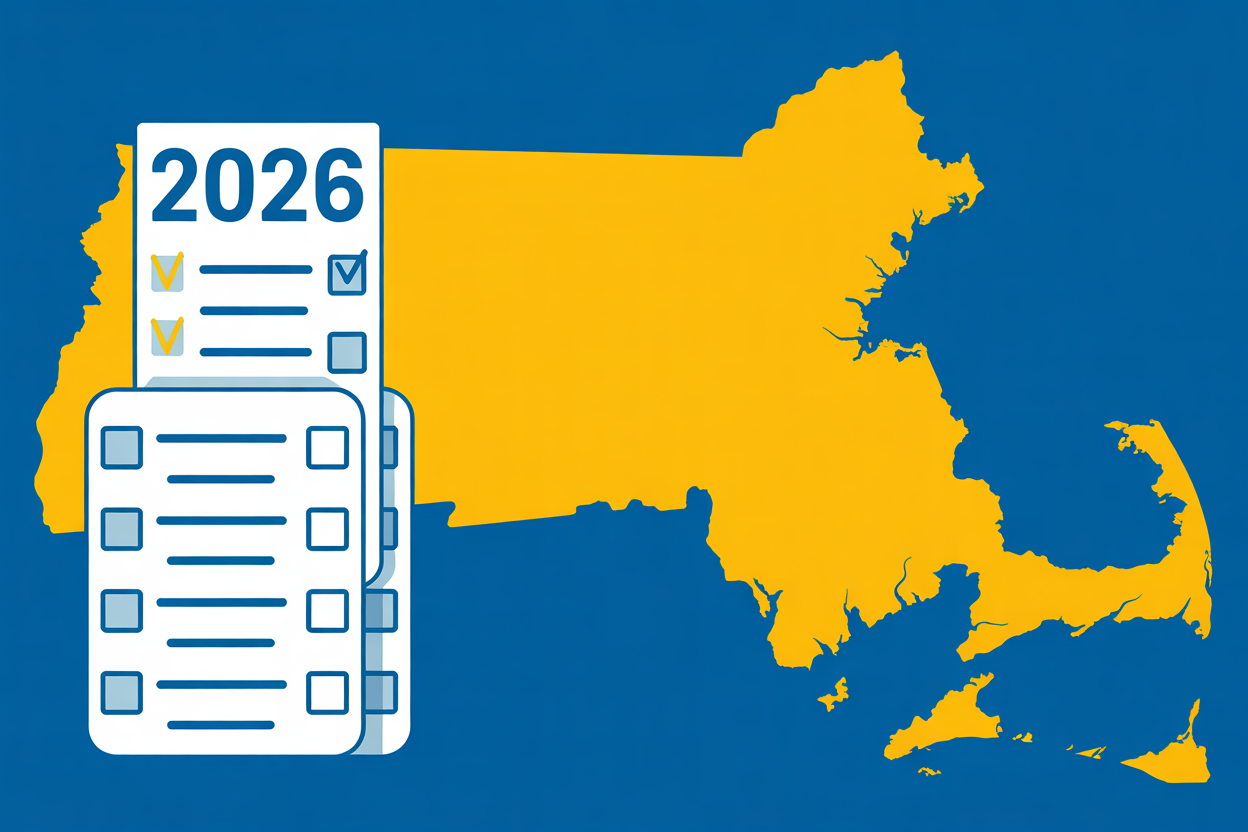
The 2026 Massachusetts governor election will determine who leads the state’s executive branch for the next term. With Governor Maura Healey seeking a second term, voters will choose from a field of Democratic, Republican, and independent candidates. This overview outlines the candidates, election process, and key issues shaping the race. Learn about the Massachusetts Governor election and what to expect on the road to November 3, 2026.
2026 Massachusetts Governor Election: Who is Running?
The office of governor in Massachusetts is up for election in 2026, with voters set to decide who will lead the state for the next four years. Incumbent Governor Maura Healey, a Democrat first elected in 2022, is running for re-election. Massachusetts imposes no gubernatorial term limits, allowing Healey to seek consecutive terms. The 2026 contest is rated as Solid Democratic according to multiple nonpartisan ratings. Alongside the governor, the lieutenant governor position is also being contested, with incumbent Kim Driscoll running for re-election on the Democratic ticket. The field features a variety of candidates from both major parties, as well as independent and third-party contenders. As the race progresses, voters will evaluate the backgrounds and platforms of each candidate in the Massachusetts governor election.
Candidates in the 2026 Massachusetts Governor Election
Democrats: The Democratic field is led by incumbent Governor Maura Healey. She is a Democrat who has served as governor since 2023 and is officially declared to run for re-election. Healey’s background includes serving as Massachusetts Attorney General before her governorship. According to the provided summary, she has earned endorsements from organizations such as the LGBTQ Victory Fund and the Jewish Democratic Council of America, and her campaign website is maurahealey.com. Additional Democratic candidates include Matthew Dewar, who has formed a committee and is officially declared, and Andrea James, also officially declared and with a committee formed. Republicans: The Republican primary features several declared candidates. Mike Kennealy, a former Massachusetts Secretary of Housing and Economic Development, is officially declared and has filed to run, with a campaign website at mikekennealy.com. Brian Shortsleeve, another Republican candidate, is the former chief administrator and acting general manager of the Massachusetts Bay Transportation Authority. He is officially declared and has filed to run, with a campaign website at brianshortsleeve.com and endorsements from Scott Brown, Nicholas Boldyga, Peter Durant, and Marc Lombardo. Michael Minogue, former CEO of Abiomed and Army veteran, is officially declared with a filed status and a campaign website at minogueforma.com. Aaron Packard is also a declared Republican candidate with committee formed status. Independents / Others: The independent and other candidate field includes Connor Gray, an independent rapper who has filed to run. Muhammed Isac Peter Kokonezis-Hanino, identified as “Other Party,” has formed a committee and is officially declared. This full list summarizes all official and declared candidates so far in the 2026 Massachusetts governor election, providing voters with insight into their backgrounds and campaign status across party lines.
The 2026 Massachusetts gubernatorial election process will take place on November 3, 2026
The 2026 Massachusetts gubernatorial election process will take place on November 3, 2026. Massachusetts does not impose term limits for the office of governor, so incumbent Maura Healey is eligible to seek re-election to a second term. The race also features Lieutenant Governor Kim Driscoll seeking re-election. Primary contests are held separately for the Democratic and Republican parties. The Democratic primary currently includes Maura Healey as the declared candidate, with potential independent candidates considered, such as former ambassador Alan Leventhal. On the Republican side, the primary features multiple declared candidates: Mike Kennealy, Michael Minogue, and Brian Shortsleeve, among others. Bruce Tarr has publicly expressed interest in running for governor, while some figures – including John Deaton and Peter Durant – have declined to pursue the office. In addition to the major parties, independent and third-party candidates have declared campaigns. Individuals such as Connor Gray and Muhammed Isac Peter Kokonezis-Hanino are seeking ballot access outside the two main parties. The general election will include all certified candidates from the primaries and independent filings. All Massachusetts voters registered by the required deadlines will be able to participate in the 2026 governor election.
Polling and Race Outlook in the Massachusetts Governor Election
Polling from fall 2025 shows Governor Maura Healey with significant leads over all declared Republican candidates. Against Mike Kennealy, Healey receives around 46-49% support compared to Kennealy’s 27-34%. In matchups with Brian Shortsleeve, Healey polls at 44-48%, while Shortsleeve is at 12-31%. When polled against Michael Minogue, Healey leads by a margin of 51% to 26%. These polls also indicate a notable share of undecided voters or support for other candidates at this stage. Multiple election forecasters and political rating services — including The Cook Political Report, Inside Elections, Sabato’s Crystal Ball, and Race to the WH — rate the 2026 Massachusetts governor election as Solid Democratic or Safe Democratic. The polling data and these ratings reflect the current standing of the race as described by publicly available, nonpartisan sources. Overall, the outlook suggests the incumbent maintains a substantial lead in early polling, though the field may continue to evolve as the election approaches.
Key Issues in the 2026 Massachusetts Governor Race
Several issues have emerged as central to the 2026 Massachusetts governor election. According to candidate and media summaries, concerns include working people being left behind by economic and social change, outward migration from the state, and criticisms regarding the dominance of one-party political control in state government. Additional topics, reinforced by ballot initiatives and policy discussions, cover a wide range of policy areas such as housing affordability, taxation, voting rights, environmental protections, and public infrastructure. Voters may also consider proposals on topics like voter identification, rent control, zoning reform, renewable energy, and public transportation as debated through the election’s campaign and in proposed ballot measures. Overall, the key issues reflect the ongoing debates about economic opportunity, governance, state migration trends, and the direction of Massachusetts state policies heading into the 2026 election.
Partner with Sutton & Smart for 2026 Campaign Services
Campaign organizations, candidates, and professionals: Contact Sutton & Smart for support with petition gathering, canvassing, voter outreach, and political consulting services tailored for Massachusetts elections.
Ready to launch a winning campaign? Let Sutton & Smart political consulting help you maximize your budget, raise a bigger war chest, and reach more voters.
Jon Sutton
An expert in management, strategy, and field organizing, Jon has been a frequent commentator in national publications.
Fill out the form to view all Sutton & Smart Brands.
By submitting this form, you consent to allow Sutton & Smart to store and process your information in accordance with our
Privacy Policy.
You also consent to receive communications via email, phone, or SMS from Sutton & Smart regarding our services, including promotional offers and inquiries.
These communications may be generated using automated technology, such as AI-powered autodialers, pre-recorded messages, and SMS notifications.
Your information will be used strictly for business purposes, and you may opt out of these communications at any time.
By clicking submit, you acknowledge that the effectiveness of Sutton & Smart’s political consulting strategies and outcomes may vary based on numerous factors outside our control, and no specific results or timelines are guaranteed.
You also confirm that you have read and agree to our
Terms of Service.
Work With Us
Fill out the form below to speak with someone from our team.
By submitting this form, you consent to allow Sutton & Smart to store and process your information in accordance with our
Privacy Policy.
You also consent to receive communications via email, phone, or SMS from Sutton & Smart regarding our services, including promotional offers and inquiries.
These communications may be generated using automated technology, such as AI-powered autodialers, pre-recorded messages, and SMS notifications.
Your information will be used strictly for business purposes, and you may opt out of these communications at any time.
By clicking submit, you acknowledge that the effectiveness of Sutton & Smart’s political consulting strategies and outcomes may vary based on numerous factors outside our control, and no specific results or timelines are guaranteed.
You also confirm that you have read and agree to our
Terms of Service.